Uzmanı Uyardı: " Akdeniz Foku yok Olursa, Akdeniz’in Doğal Mirası Da yok Olur"
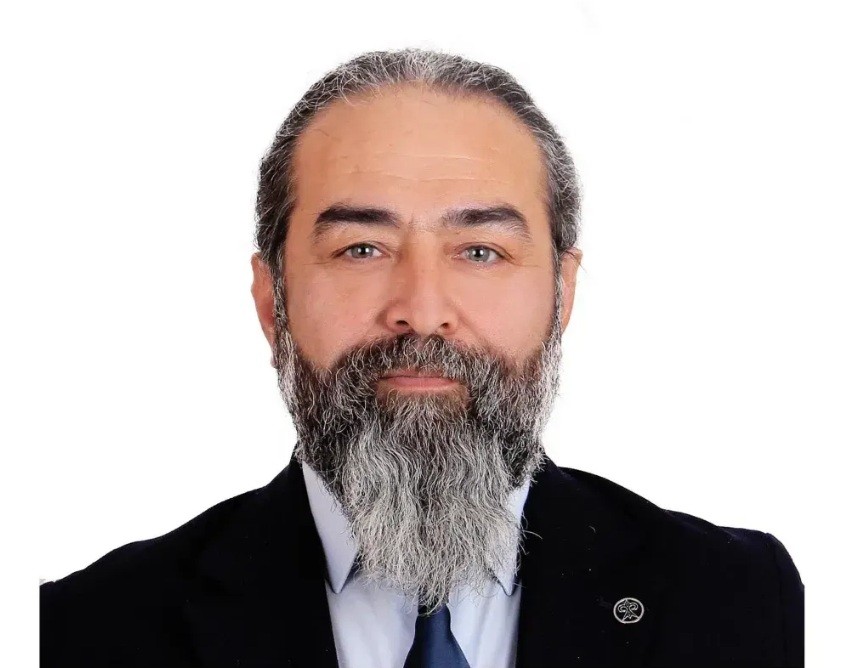
Prof. Dr. Deniz Ayas, Director of Mersin University Marine Sciences Research and Application Center, stated that the Mediterranean monk seal is not merely a rare endangered species but also a vital biological indicator reflecting the ecological health of the Mediterranean, saying, "If the Mediterranean Monk Seal disappears, so does the natural heritage of the Mediterranean. Protecting seals means protecting the continuity of our seas."
Prof. Dr. Deniz Ayas, Director of Mersin University Marine Sciences Research and Application Center, made a special statement to istemersin.com on the occasion of March 22, World Seal Day. Center Director Prof. Dr. Deniz Ayas reminded once again that species, habitat, and ecological processes must be addressed together in the protection of marine ecosystems according to the IUCN Red List, where the Mediterranean monk seal is classified under the "Endangered" category, stating, "In this context, the Mediterranean monk seal is not merely a rare species; it is also a critical biological indicator representing the ecological health of the Mediterranean. The Mediterranean monk seal is one of the rarest marine mammals in the world with an extremely limited global population. One of the most sensitive characteristics of the species is that its reproductive behavior is highly habitat-dependent. Females prefer narrow-entrance marine caves away from human influence for pupping, and therefore the loss of suitable habitats directly reduces reproductive success."
Center Director Prof. Dr. Deniz Ayas noted that the Taşucu and Aydıncık coasts in Mersin Bay serve as a lifeline for the Mediterranean monk seal, stating, "Mersin Bay, the Taşucu and Aydıncık coasts are among the rare areas that form both ecological corridors and ecosystem refugia for this species. The rocky shores and cave systems in these areas are critically important as breeding and resting sites for seals, and also provide a connectivity network where individuals can safely transit between different habitats. However, coastal urbanization, tourism pressure, fishing activities, and marine pollution threaten these sensitive systems. Particularly, entanglement in fishing nets, habitat degradation, and human-caused disturbances make the presence of the Mediterranean monk seal in the region fragile."
Center Director Prof. Dr. Deniz Ayas emphasized that protecting Mediterranean Monk Seals is synonymous with protecting the continuity of the seas, stating, "International mechanisms such as ACCOBAMS, to which Turkey is a party, strengthen regional cooperation for the protection of marine mammals while also supporting ecosystem-based and connectivity-focused conservation approaches. For the protection of the Mediterranean monk seal, it is of great importance to protect breeding caves and refugia areas, ensure the continuity of ecological corridors, increase scientific monitoring studies, and develop conservation strategies in cooperation with local stakeholders. It should not be forgotten that if the Mediterranean monk seal disappears, it will mean the loss not only of a species but of the Mediterranean's natural heritage. Protecting seals means protecting the continuity of our seas."