
Yapay Zekayla Anlaşmak
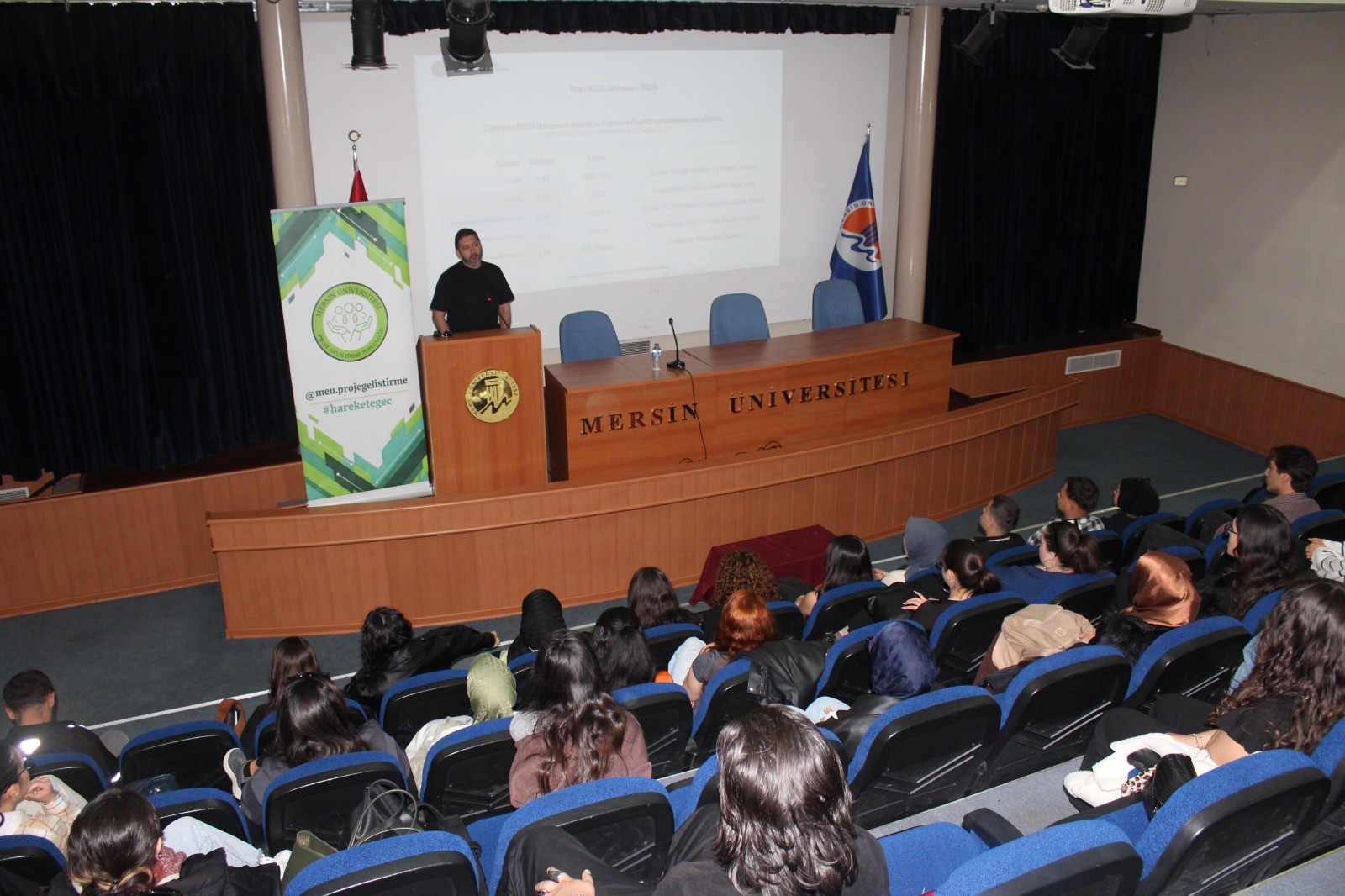
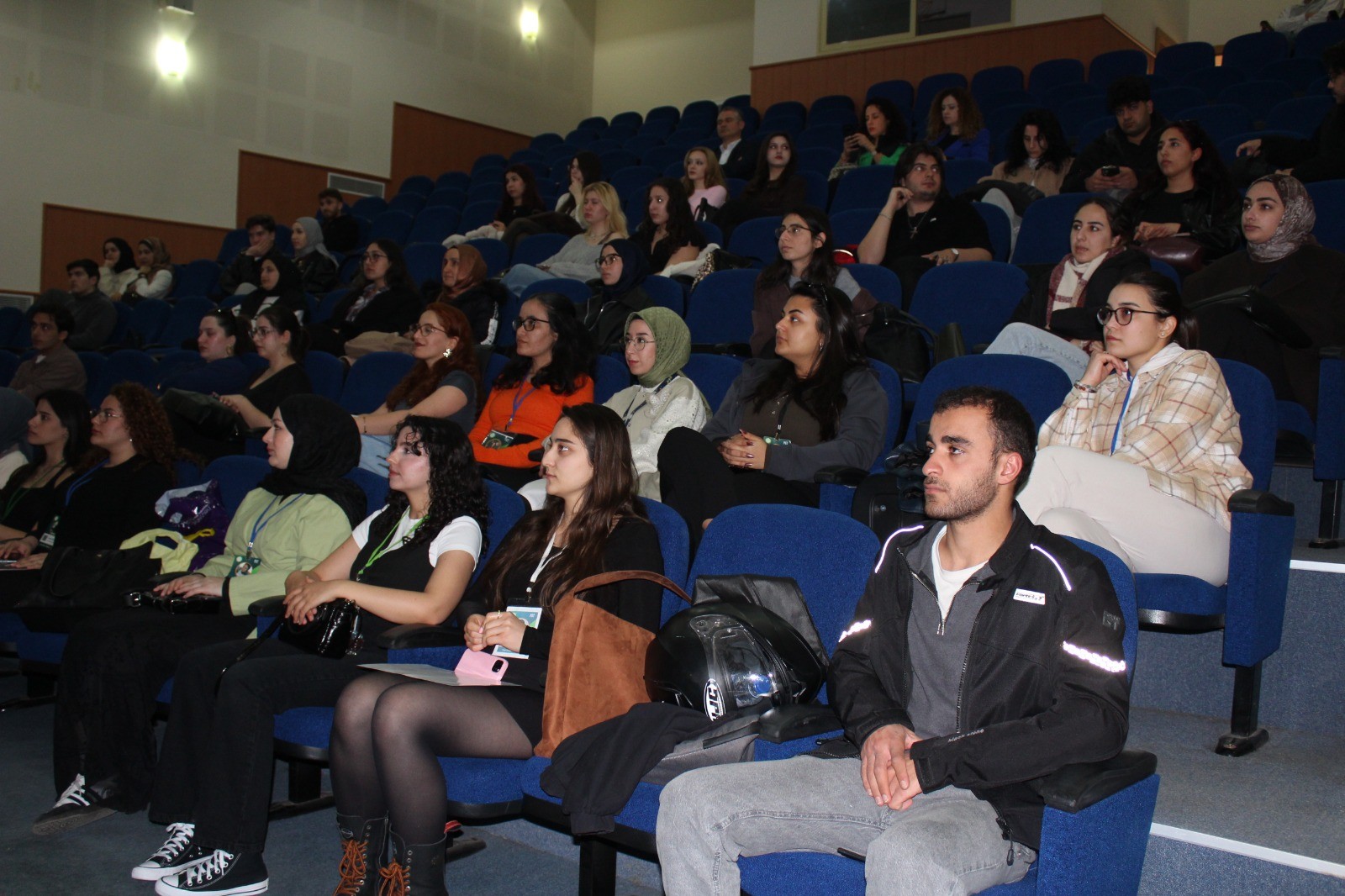
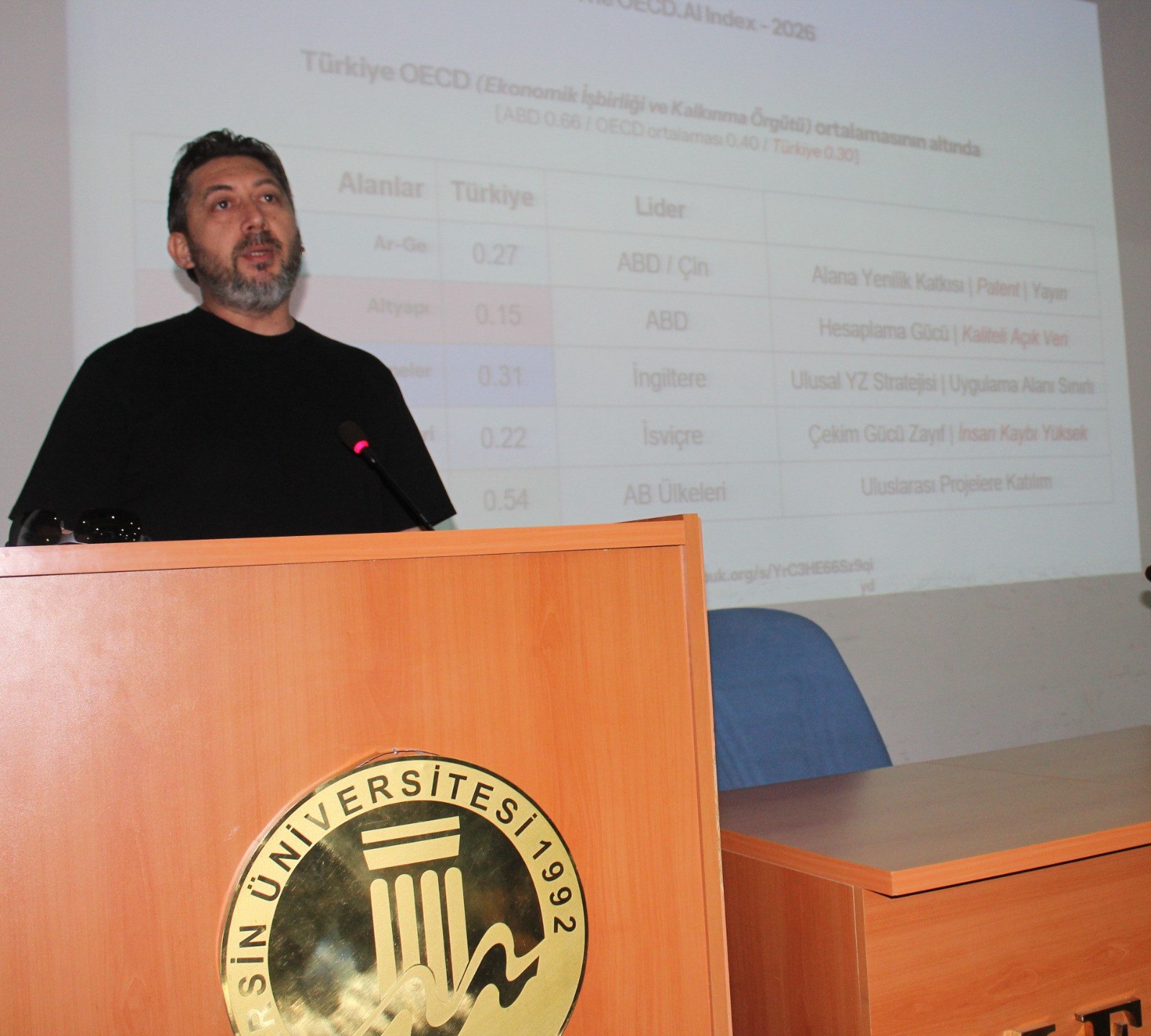
Mersin Üniversitesi (MEÜ) Proje Geliştirme Topluluğu tarafından düzenlenen “Yapay Zekâ Okuryazarlığı” semineri, 9 Mart 2026 tarihinde Prof. Dr. Uğur Oral Kültür Merkezi’nde gerçekleştirildi. Etkinlikte, MEÜ Teknoloji Transfer Ofisi (TTO) öğretim elemanlarından Öğr. Gör. Dr. Taner Sezer, “Yapay Zekâyla Anlaşmak” başlıklı kapsamlı bir sunum gerçekleştirdi.
Sunumunda Türkiye’nin yapay zekâ ekosistemindeki güncel durumunu ve geleceğe yönelik gelişim alanlarını analiz eden Dr. Sezer, OECD.AI Endeksi 2026 verilerine dikkat çekti. Türkiye’nin yapay zekâ altyapısı ve ekosistemi açısından “gelişmekte olan ülkeler” kategorisinde yer aldığını belirten Sezer, özellikle bilişim ve bilgisayar mühendisliği bölümlerindeki mezun sayısındaki artışın, ülkenin insan kaynağı potansiyeli açısından önemli olduğunu vurguladı.
“Yapay zekâ teknolojilerini eleştirel ve etik bir süzgeçten geçirmeliyiz”
Yapay zekâ okuryazarlığının sadece bu teknolojileri kullanmak olmadığını ifade eden Öğr. Gör. Dr. Taner Sezer: “Yapay zekâ teknolojilerini sadece kullanmakla yetinmemeli; bu sistemleri eleştirel ve etik bir süzgeçten geçirmeliyiz. Uygulama süreçlerinde karşılaşılan bilgi eksikliği, çok hızlı sonuç alma beklentisi ve yanlış araç seçimi gibi unsurlar, zaman zaman zorluklar yaratabiliyor.” dedi.
Sunumda dil modellerinin (LLM) temel çalışma prensipleri hakkında bilgi veren Öğr. Gör. Dr. Sezer, bu modellerin, büyük veri kümelerindeki örüntüleri öğrenerek dil üretimi gerçekleştirdiğini; başka bir ifadeyle, doğrudan dünyayı değil veri içindeki olasılık dağılımlarını modellediğini söyledi. Öğr. Gör. Dr. Sezer “Yapay zekânın çalışma mantığını kavramak, bu sistemleri daha bilinçli ve etkili kullanmaya yardımcı olacak.” diye konuştu. .
Öğr. Gör. Dr. Sezer sunumda, yapay zekâ alanındaki hızlı gelişmeler karşısında dengeli bir yaklaşım benimsemenin önemine değindi. Teknolojinin sunduğu fırsatların yanı sıra uzun vadeli çalışmaların değerine dikkat çeken Öğr. Gör. Dr. Sezer, veri toplama, veri işleme ve doğru problem alanlarını belirleme gibi temel adımların sürdürülebilir projeler için önemli olduğunun altını çizdi.