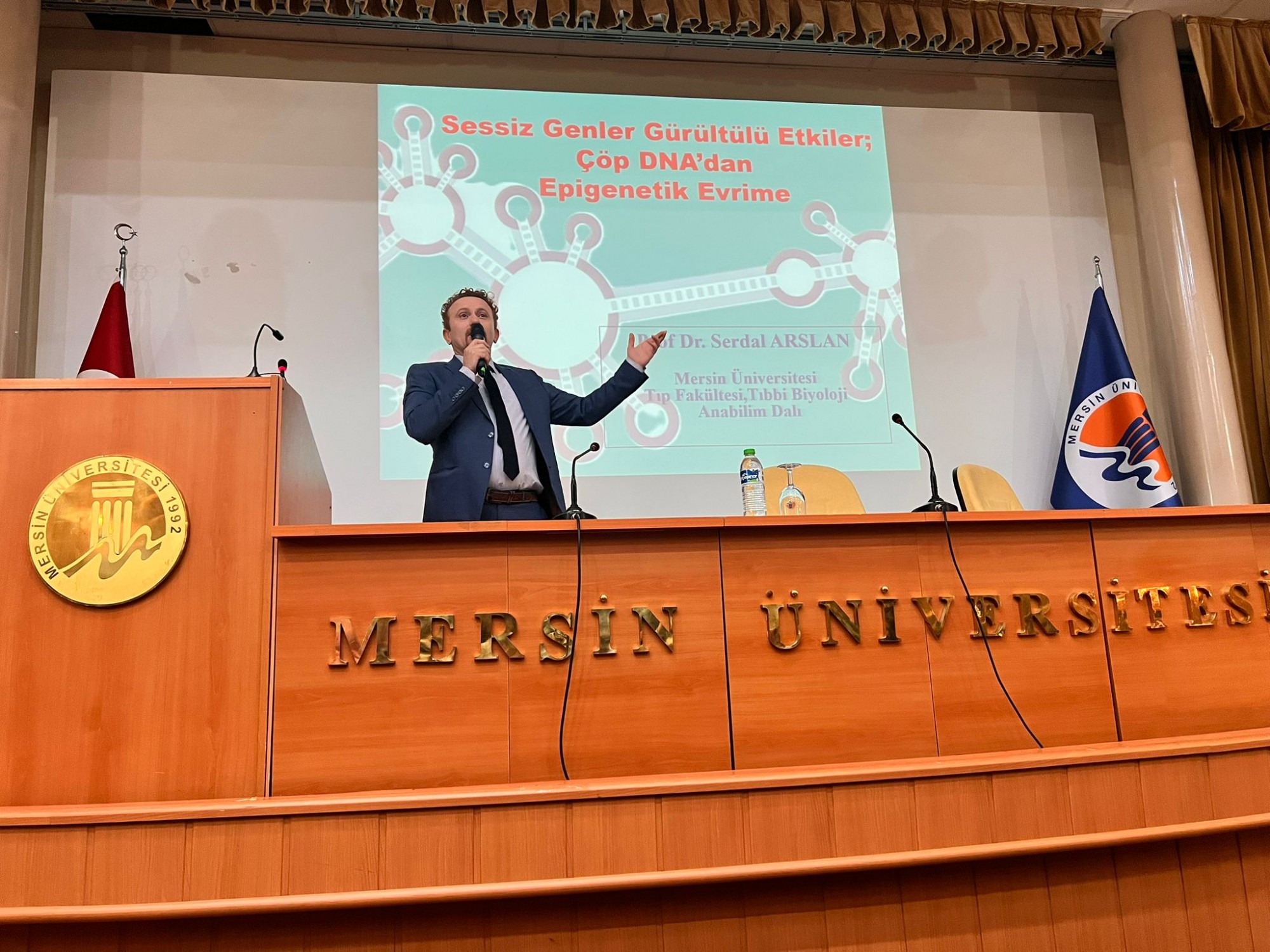

Ssessiz Genler, Gürültülü Etkiler: Çöp Dna'dan Epigenetik Evrime
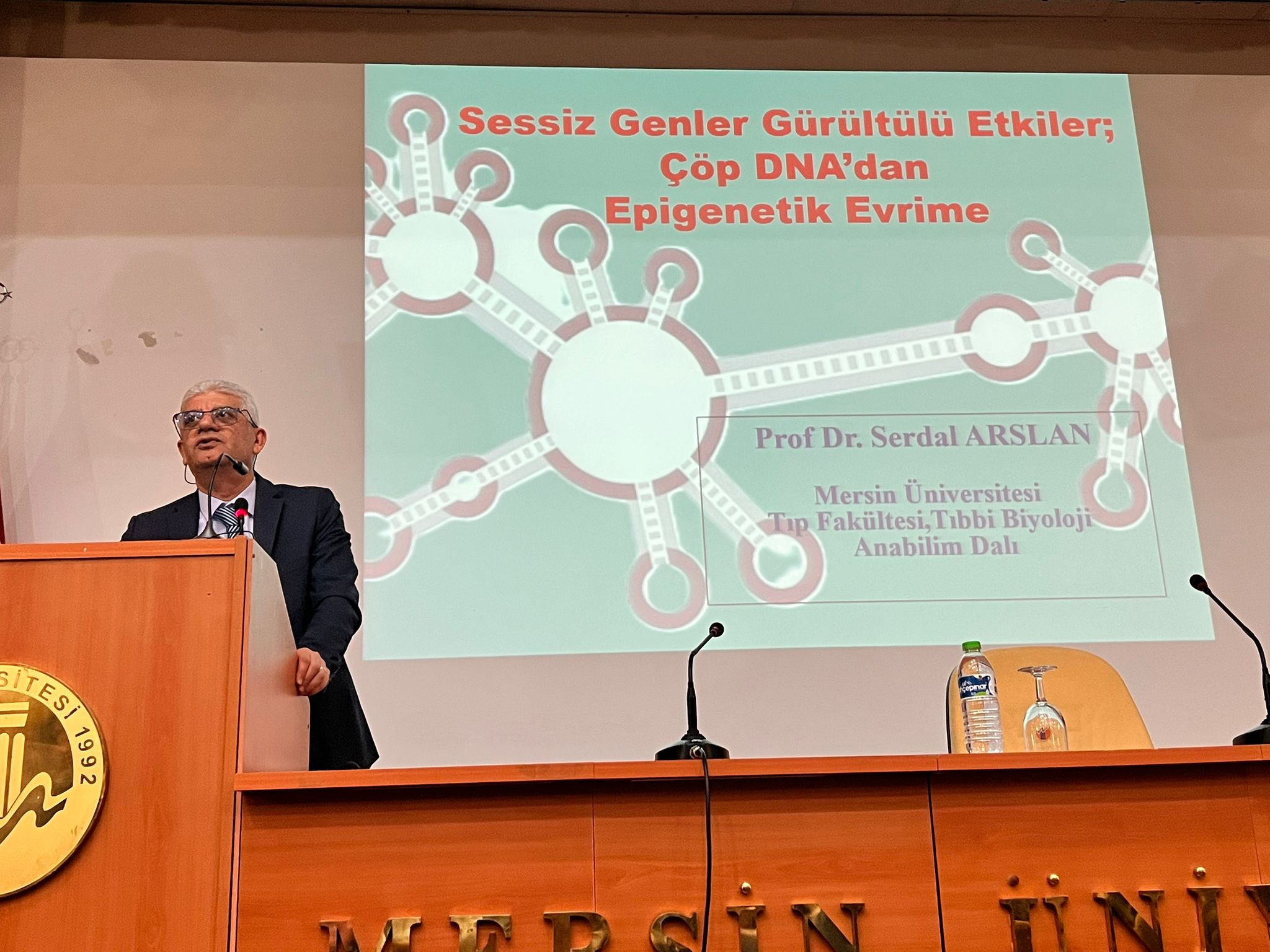
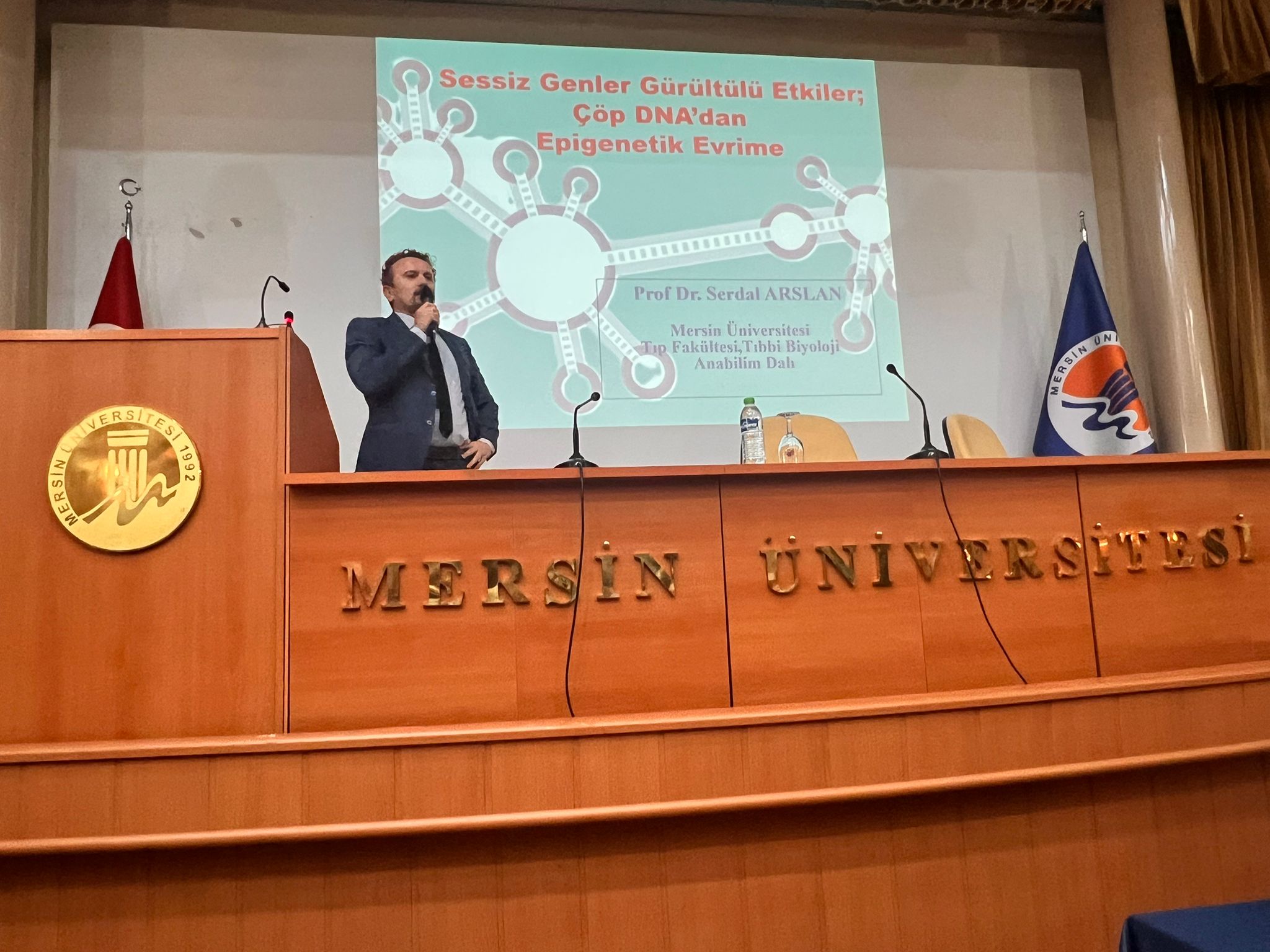
Mersin Üniversitesi Fen Fakültesi Biyoloji Bölümü tarafından düzenlenen Biyoloji Bölümü Seminerleri – I kapsamında, Tıp Fakültesi Temel Tıp Bilimleri Bölümü Tıbbi Biyoloji Anabilim Dalı öğretim üyesi Prof. Dr. Serdal ARSLAN tarafından “Sessiz Genler, Gürültülü Etkiler: Çöp DNA’dan Epigenetik Evrime” başlıklı bir seminer verilmiştir.
Seminerde Prof. Dr. Arslan, genomun kodlamayan bölgelerinde uzun yıllar “çöp DNA” olarak adlandırılan segmentlerin aslında hayati düzenleyici unsurlar içerdiğini; bu bölgelerin epigenetik mekanizmalar aracılığıyla gen ifadesi, hücresel işlevler ve organizma fenotipi üzerinde belirleyici etkiler oluşturduğunu detaylarıyla aktarmıştır. Kodlamayan DNA’nın evrimsel süreçlerle ilişkisi, somatik kalıtım tartışmaları ve modern genom biliminin evrim teorisine kazandırdığı yeni bakış açıları etkinliğin temel başlıkları arasında yer almıştır.
Seminerin bir diğer önemli vurgusu ise RNA türlerinin epigenetik süreçlerdeki rolü olmuştur. Prof. Dr. Arslan, özellikle küçük düzenleyici RNA’ların (miRNA, siRNA, piRNA) ve uzun kodlamayan RNA’ların genomdaki sessiz dizilerin işlevselleşmesinde kritik görevler üstlendiğini, kromatin yeniden şekillenmesinden transkripsiyonel susturmaya kadar pek çok mekanizmayı yönlendirdiğini ifade etmiştir. Ayrıca RNA temelli epigenetik düzenlemelerin kanser, nörodejeneratif hastalıklar ve gelişimsel bozukluklar gibi alanlarda yeni terapötik hedefler sunduğu, bu nedenle modern tıpta gen ekspresyonunu düzenlemeye yönelik RNA tabanlı tedavilerin önemli bir araştırma alanı hâline geldiği belirtilmiştir.
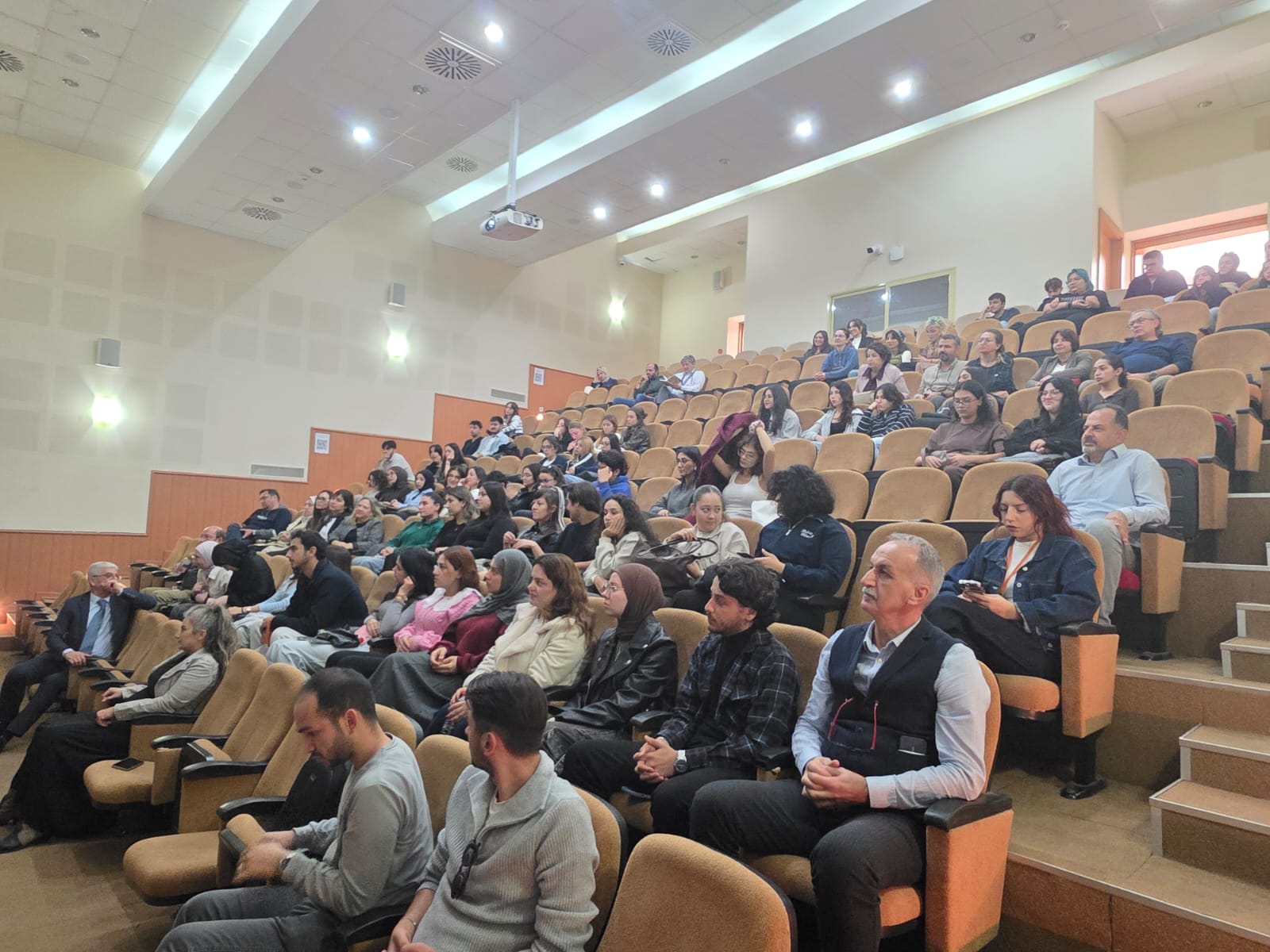
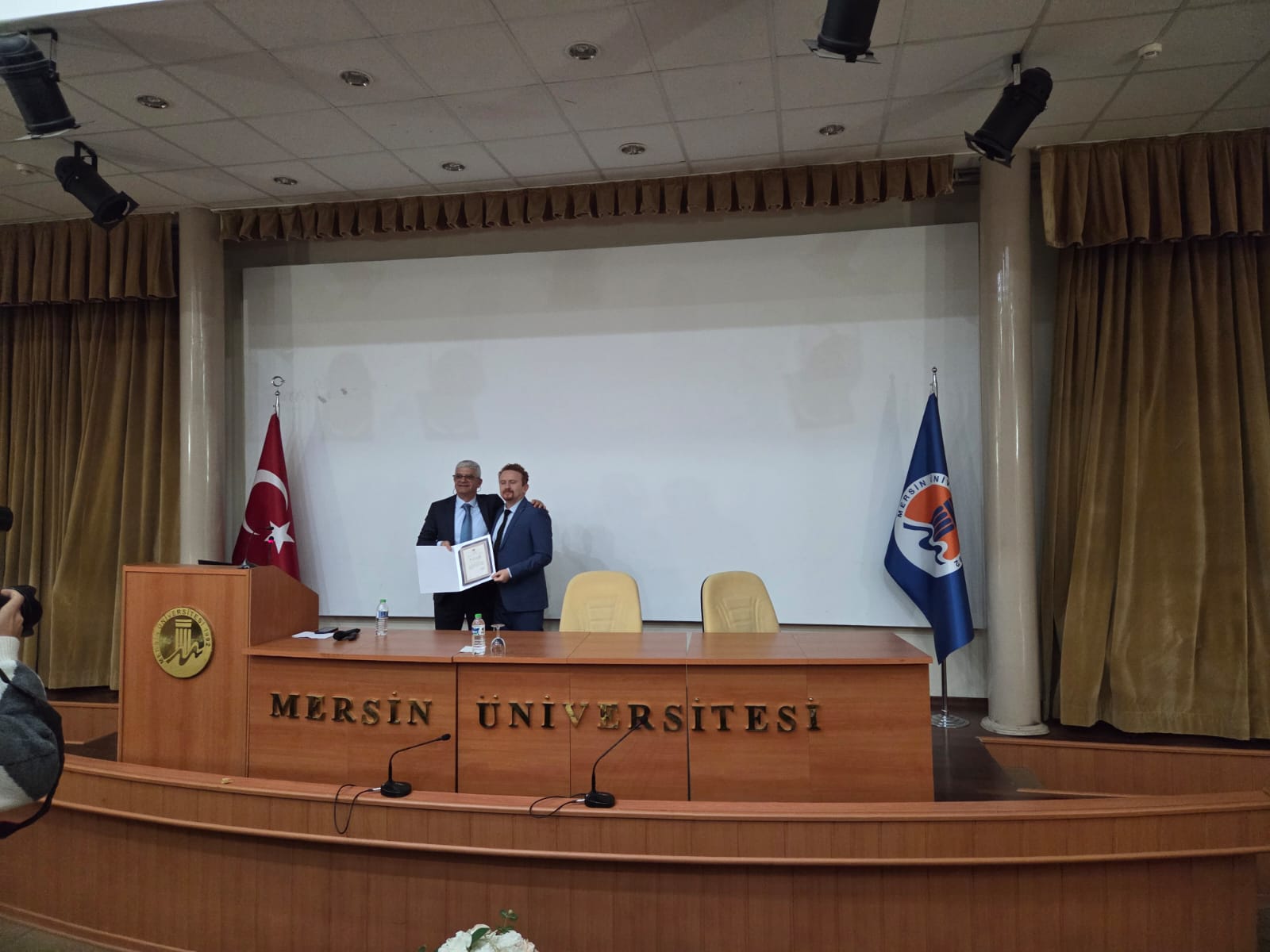
Etkinliğe Biyoloji Bölümü öğrencileri, bölüm öğretim üyeleri ve konuya ilgi duyan diğer katılımcılar yoğun ilgi göstermiştir. Seminer sonunda gerçekleştirilen soru-cevap bölümü, öğrencilerin epigenetik ve evrimsel biyolojiye dair merak ettikleri konuları uzmanından dinlemelerine olanak tanımış ve oldukça verimli bir bilimsel etkileşim ortamı yaratmıştır. Toplantı aynı zamanda çevrimiçi ortamda mezunlarla da paylaşılmış, bölümümüzün geniş akademik topluluğunu kapsayan bir bilimsel buluşmaya dönüşmüştür.